


What Eye Doctors Look For Beyond Vision Changes
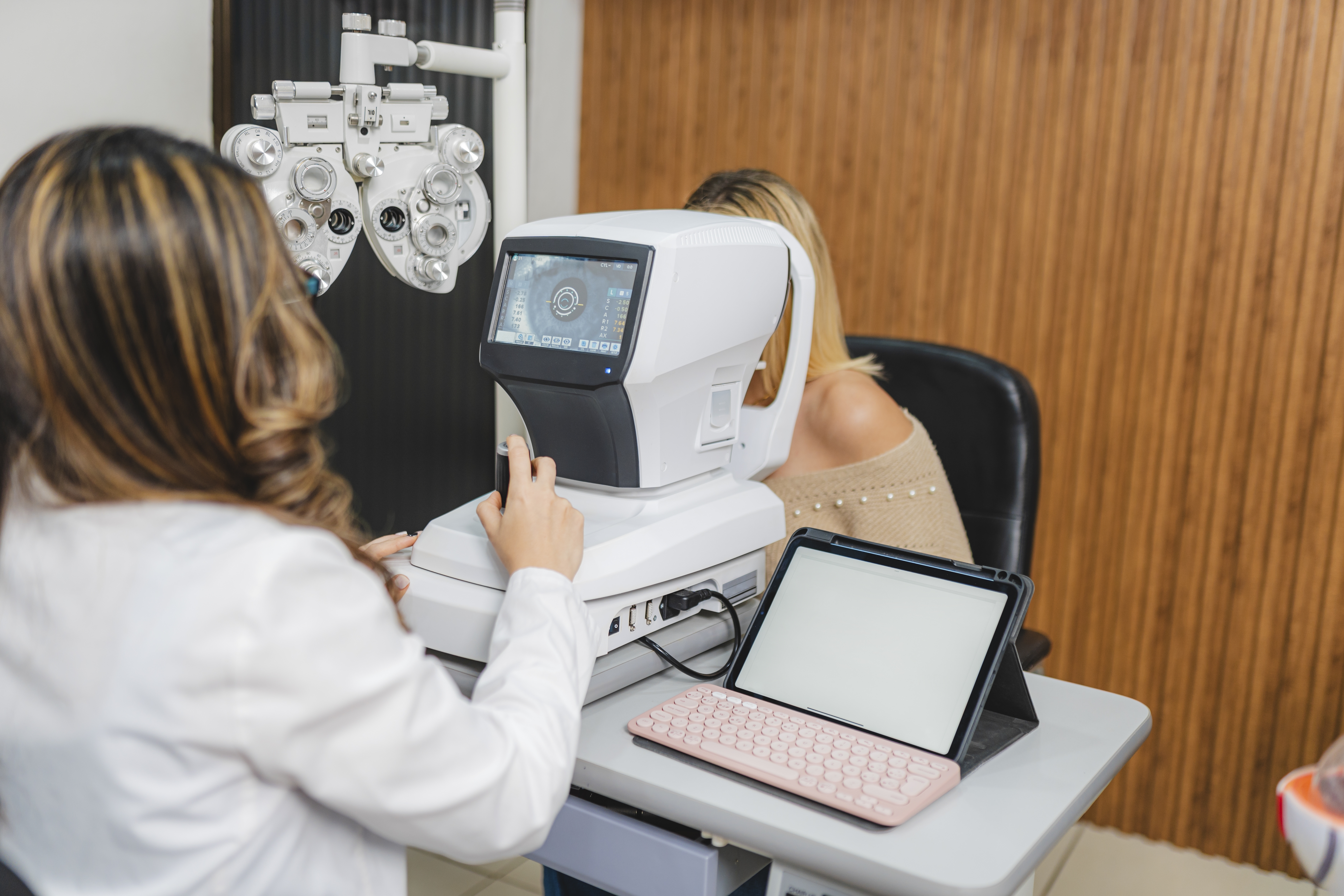
Clear vision is often the reason people schedule an eye exam, but your eye doctor is checking for much more than whether you need new glasses or contact lenses. A comprehensive eye exam gives your optometrist a closer look at the health of your eyes, how well they work together, and whether there are early signs of conditions that may not cause obvious symptoms right away.
At First Choice Eye Care in Matthews, NC, routine eye care is designed to help protect both your vision and your long-term eye health.
Eye Health Can Change Before Your Vision Does
Many eye conditions develop slowly. In the early stages, you may still read clearly, drive comfortably, and feel like your eyes are healthy. However, changes inside the eye can begin before you notice blurred vision, discomfort, or other warning signs.
During an eye exam, your eye doctor can evaluate the retina, optic nerve, cornea, lens, and other structures that support healthy vision. This helps identify concerns earlier, when they may be easier to manage or monitor.
Signs Of Eye Disease
One of the most important parts of a comprehensive eye exam is screening for eye diseases. Some conditions do not cause pain or noticeable vision loss at first, which is why regular exams are so important.
Your eye doctor may look for signs of:
- Glaucoma, which can affect the optic nerve
- Cataracts, which can cause clouding of the lens
- Diabetic eye disease, which can affect retinal blood vessels
- Macular degeneration, which can impact central vision
- Dry eye disease, which can affect comfort and visual clarity
Finding these concerns early allows your eye doctor to recommend the right next steps, whether that means treatment, monitoring, lifestyle guidance, or referral when needed.
How Your Eyes Work Together
Good vision is not only about seeing 20/20. Your eyes also need to focus, track, and work together comfortably. If your eyes are not teaming properly, you may experience headaches, eye strain, fatigue while reading, or trouble concentrating on near work.
This is especially important for children, students, and adults who spend long hours on screens. An eye doctor can check how the eyes coordinate and whether focusing issues may be contributing to discomfort or visual fatigue.
Changes Related To Overall Health
Your eyes can also provide clues about your overall health. Certain systemic conditions, such as diabetes, high blood pressure, and autoimmune issues, may cause changes in the blood vessels or tissues inside the eye. While an eye exam does not replace routine medical care, it can be an important part of monitoring your overall wellness.
If your eye doctor notices changes that may be connected to a broader health concern, they can explain what they see and recommend follow-up care when appropriate.
Why Routine Eye Exams Matter
Waiting until vision becomes blurry can mean missing early signs of eye health changes. Regular comprehensive eye exams help your eye doctor compare findings over time, track small changes, and personalize recommendations based on your age, lifestyle, family history, and visual needs.
Whether you wear glasses, use contacts, or have never needed vision correction, routine eye care helps protect the way you see today and supports healthier eyes for the future.
Schedule your comprehensive eye exam at First Choice Eye Care in Matthews, NC by calling (704) 893-0090.


Our Services
Contact Info
Hours of Operation
- Monday 8:00am - 6:00pm
- Tuesday 7:00am - 12:00pm
- Wednesday 8:00am - 5:00pm
- Thursday 8:00 am - 6:00 pm
- Friday 8:00am - 4:00pm
- Saturday Closed
- Sunday Closed
© 2026 First Choice Eye Care. All rights Reserved. Accessibility Statement - Privacy Policy - Sitemap
Powered by:
